Current Global Glass Market Overview
author: Jennifer
2025-09-01
The global glass industry is experiencing dynamic shifts driven by construction booms, technological advancements, and sustainability demands. Here’s a structured analysis of the current market landscape:
1. Market Size & Growth
- •Market Value: ~150billion(2024),expectedtoreach200 billion by 2030 (CAGR ~5%).
- •Key Drivers:
- •Urbanization in Asia-Pacific and Middle East.
- •Demand for energy-efficient building materials.
- •Growth in automotive and renewable energy sectors.
2. Key Segments & Trends
| Segment | Trends & Developments |
|---|---|
| Flat Glass | Dominated by architectural use (60%). Smart glass (electrochromic) gaining traction. |
| Container Glass | Sustainable packaging demand rises; lightweighting and recycling innovations. |
| Specialty Glass | High growth in solar glass (PV panels), fibreglass (composites), and OLED displays. |
| Automotive Glass | Laminated glass for windshields; heads-up display (HUD)-integrated glass. |
3. Regional Insights
- •Asia-Pacific: Largest market (55% share), led by China and India. Construction and automotive sectors drive demand.
- •Europe: Focus on eco-friendly products (e.g., low-carbon glass); strict recycling policies.
- •North America: Renewable energy investments boost solar glass demand.
4. Technological Innovations
- •Energy-Efficient Glass: Low-E coatings, vacuum insulated glass (VIG) for net-zero buildings.
- •Digital Printing: Customized patterns for decorative glass.
- •Self-Cleaning Glass: TiO₂-coated surfaces for reduced maintenance.
- •Smart Glass: Switchable opacity for privacy and dynamic lighting control.
5. Sustainability Initiatives
- •Carbon Neutrality: Major players (e.g., Saint-Gobain, AGC) targeting net-zero production.
- •Circular Economy: Glass recycling rates exceed 80% in EU; closed-loop systems expanding.
- •Green Certifications: LEED, BREEAM, and ENERGY STAR standards influencing product development.
6. Challenges
- •Energy Intensity: Glass manufacturing requires high temperatures (~1500°C), increasing carbon footprint.
- •Raw Material Costs: Soda ash and silica price fluctuations.
- •Competition: Alternative materials (e.g., plastics, composites) in packaging and construction.
7. Key Players
- •Saint-Gobain (France): Leader in sustainable construction glass.
- •AGC Inc. (Japan): Innovator in automotive and electronics glass.
- •NSG Group (Japan): Focus on solar and technical glass.
- •Fuyao Glass (China): Largest automotive glass supplier globally.
8. Future Outlook (2025–2030)
- •Solar Glass Demand: Expected to grow by 12% annually due to renewable energy investments.
- •Smart Cities Integration: Glass with embedded sensors for IoT-connected buildings.
- •Bio-Active Glass: Antimicrobial surfaces for healthcare applications.
Conclusion
The glass market is evolving beyond traditional applications, leveraging technology and sustainability to meet future demands. While challenges like energy consumption persist, innovations in eco-friendly production and high-value products (e.g., smart glass) will drive long-term growth.
For detailed regional reports or segment-specific data, refer to industry studies from Grand View Research or Glass Alliance Europe. ??
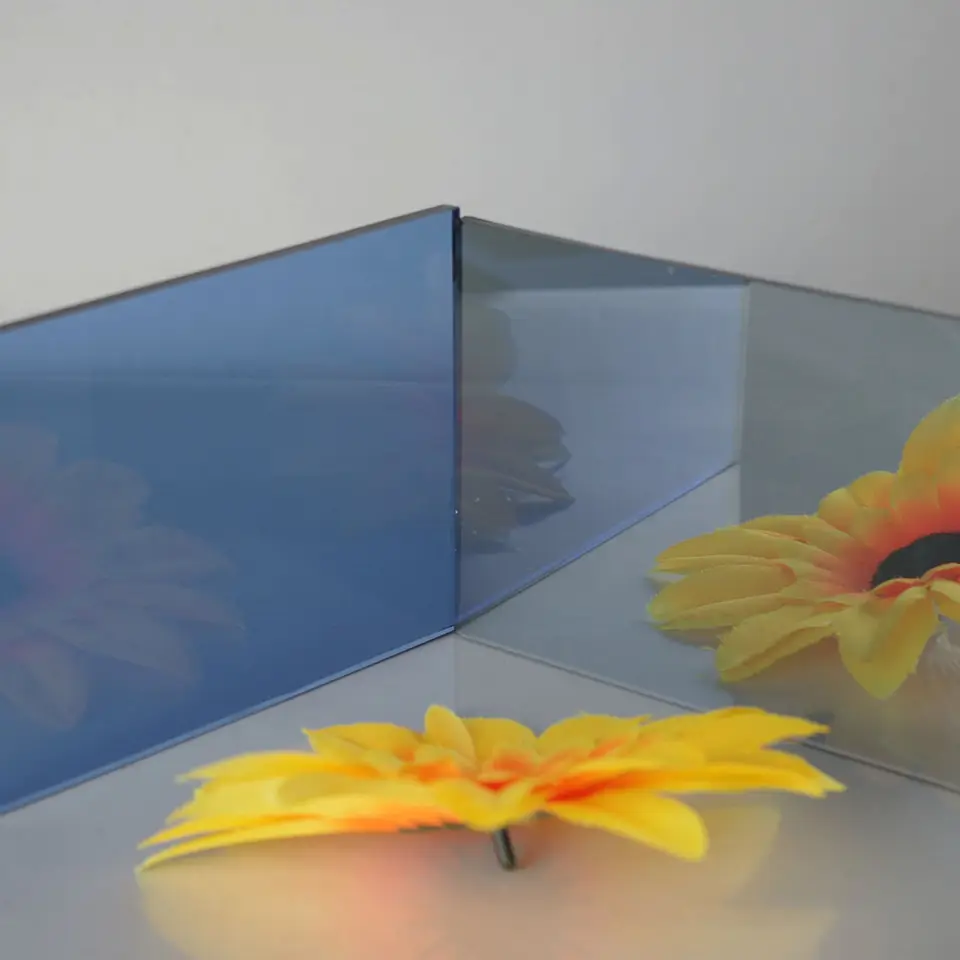
Reflective Glass-Coated Glass
ANTIQUE MIRROR