


Acid-Etched Glass
Acid-etching is a sophisticated glass processing technique that uses hydrofluoric acid or other chemical agents to create a permanent frosted or textured surface on glass. This process transforms transparent glass into an elegant, translucent material with a smooth, satin-like finish, widely valued for its aesthetic and functional properties.
Manufacturing Process
1. Surface Preparation
The glass substrate (typically float or tempered glass) is thoroughly cleaned to remove dust, oils, and impurities. This ensures uniform chemical reaction during etching.
2. Masking (Optional)
For patterned or selective etching, a resistant mask (e.g., vinyl, rubber, or specialized tape) is applied to protect areas that must remain transparent.
3. Acid Etching
The glass is exposed to hydrofluoric acid (HF) or an acid-based paste/gel.
The acid chemically reacts with the glass surface, dissolving silica to create micro-abrasions that scatter light, resulting in a frosted appearance.
Key variables: Acid concentration, temperature, and exposure time determine the depth and opacity of the etch.
4. Neutralization and Cleaning
The acid is neutralized using alkaline solutions (e.g., sodium bicarbonate).
The glass is rinsed with deionized water to remove residual chemicals.
5. Post-Processing
Optional steps include:
Polishing: To achieve a smoother tactile feel.
Laminating: Combining etched glass with clear glass for safety or insulation.
Printing: Adding decorative patterns over the etched surface.
Types of Acid-Etched Glass
Type | Description |
|---|---|
Fully Etched | Entire surface treated for uniform frosted effect. |
Patterned Etched | Designs, logos, or gradients created using masks or digital templates. |
Double-Sided Etched | Both sides etched for enhanced opacity and light diffusion. |
Applications
1. Architecture & Interiors
Partitions and Doors: Provides privacy while allowing light transmission in offices, bathrooms, and homes.
Facades and Cladding: Adds texture and visual interest to building exteriors.
Staircases and Balustrades: Combines safety with aesthetic appeal.
2. Decorative and Artistic Uses
Custom Artwork: Etched patterns or imagery for wall art, panels, and installations.
Furniture: Tabletops, cabinet doors, and shelving with frosted finishes.
Lighting: Lampshades and light diffusers that create soft, ambient illumination.
3. Functional Applications
Privacy Screens: Used in hospitals, spas, and luxury hotels to maintain discretion without sacrificing light.
Retail and Branding: Display cases, signage, and logos etched with company designs.
Automotive and Electronics: Instrument panels, decorative trims, and touchscreen overlays.
Advantages and Limitations
Advantages:
Aesthetic Versatility: Offers a range of finishes from subtle translucency to near-opacity.
Durability: The etched surface is permanent and resistant to wear, scratching, and fading.
Hygiene: Non-porous and easy to clean, ideal for medical and food-service environments.
Light Diffusion: Creates soft, glare-free illumination without blocking light entirely.
Limitations:
Cost: More expensive than mechanical frosting (e.g., sandblasting).
Chemical Handling: Requires strict safety protocols due to hazardous acids.
Design Complexity: Intricate patterns may require high-precision masking.
Future Trends
Eco-Friendly Etching: Development of less hazardous acid alternatives and closed-loop water recycling systems.
Digital Integration: Combining etching with digital printing for hyper-detailed designs.
Smart Glass Hybrids: Incorporating etched surfaces with switchable privacy technology (e.g., PDLC films).
Conclusion
Acid-etched glass seamlessly merges function and artistry, offering a timeless solution for privacy, decoration, and light management. Its ability to transform spaces through light diffusion and elegant textures ensures its continued relevance in modern design and architecture. For projects requiring sophistication and durability, acid-etched glass remains a premier choice.
 Silk Print Golden Silver Titanium Decorative Glass Art Glass
 3mm Titanium-Plated Flat Decorative Glass for Supermarket Bathroom Kitchen Solar Gym Hall Silk Screen Printing Float Glass
 Beautiful Glass Art for Furniture Decorative Glass
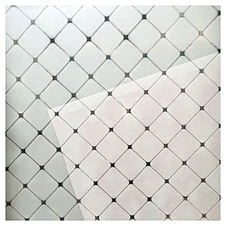 Decorative Glass for Kitchen 3mm 4mm 5mm Silk Printing Glass Titanium Coating for Decoration
