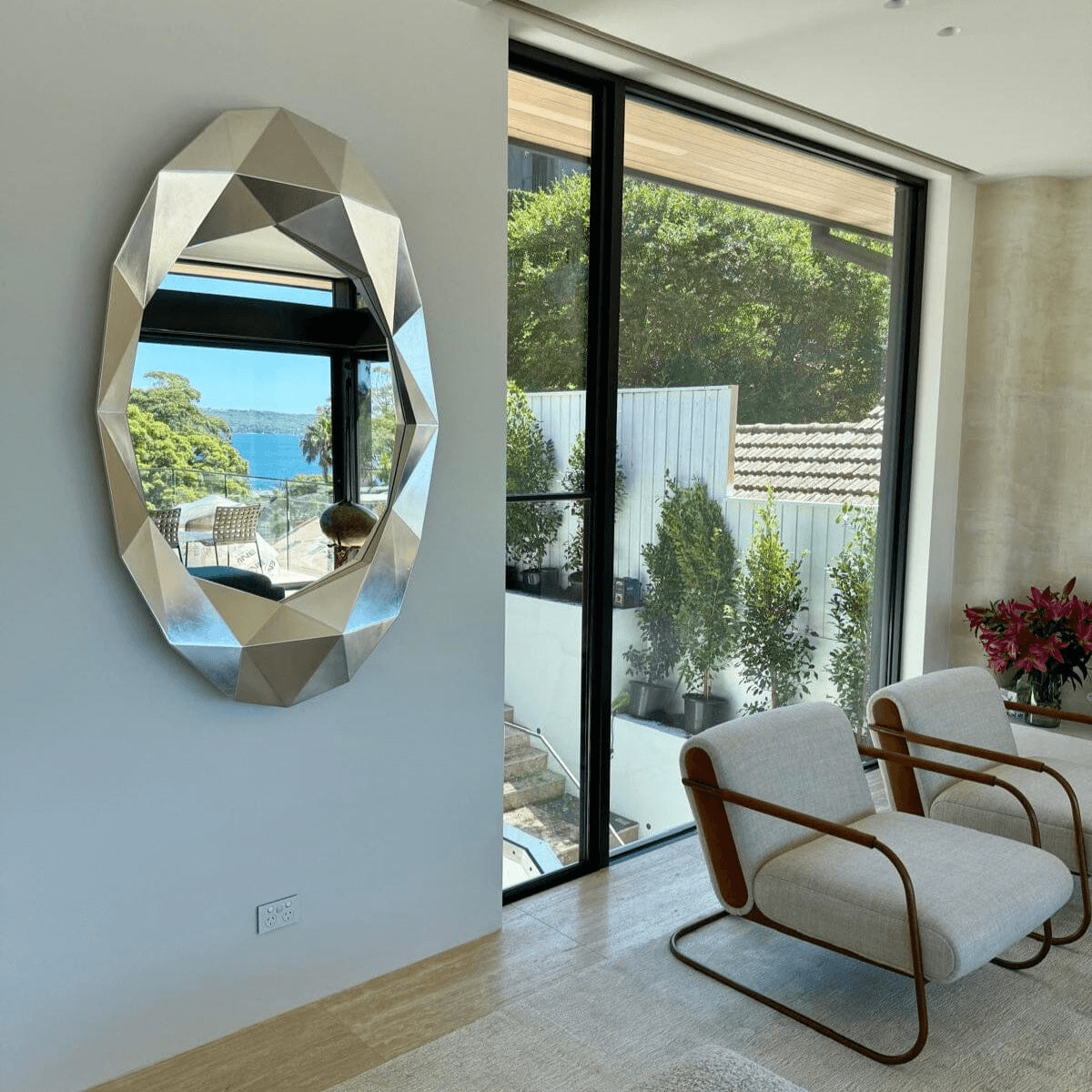
Reflective Glass-Coated Glass
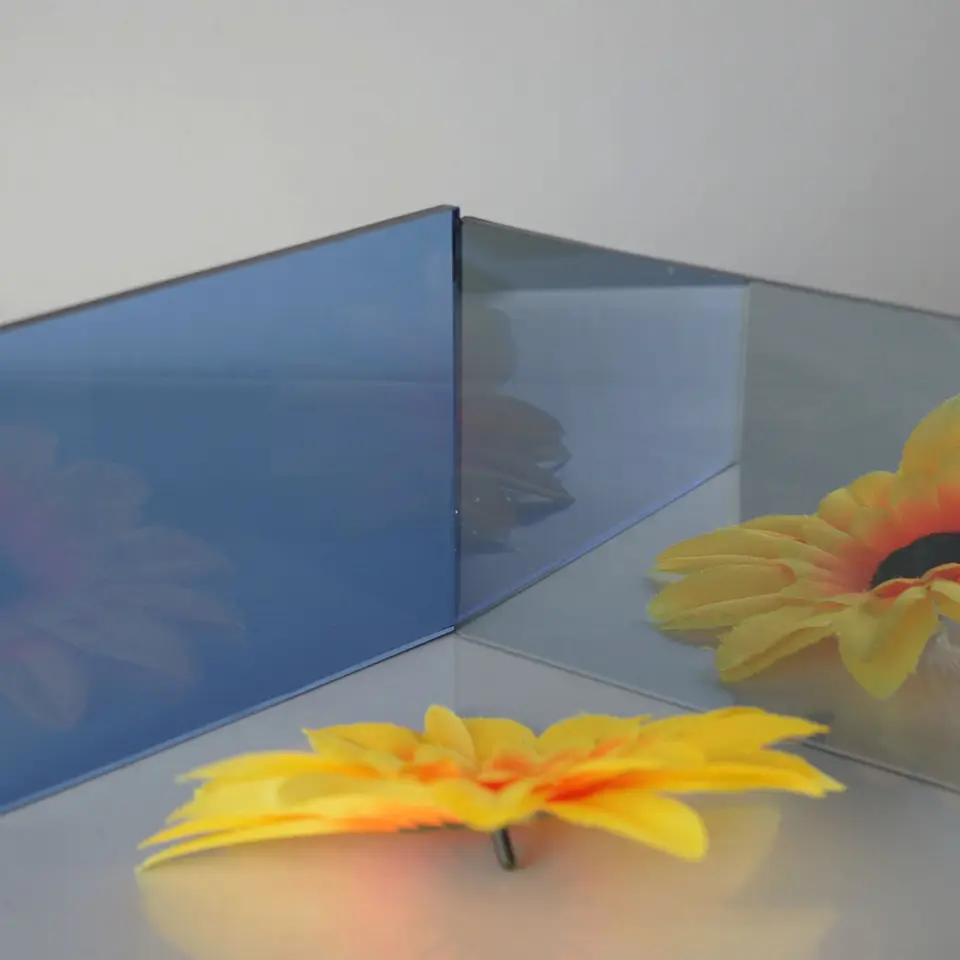
Introduction to Coated Glass
Coated glass refers to glass that has been treated with one or more thin layers of materials to enhance its properties, such as thermal insulation, solar control, aesthetics, or functionality. It is widely used in architecture, automotive, and specialty applications.
Manufacturing Processes
1. Physical Vapor Deposition (PVD)
- •
Process: Metal or ceramic materials are vaporized in a vacuum chamber and deposited onto the glass surface.
- •
Common Coatings: Titanium, chromium, or zinc oxides.
- •
Applications: Decorative coatings, low-emissivity (Low-E) layers.
2. Chemical Vapor Deposition (CVD)
- •
Process: Gaseous precursors react on the heated glass surface to form a solid coating.
- •
Common Coatings: Silicon dioxide, tin oxide.
- •
Applications: Solar control coatings, anti-reflective layers.
3. Sputtering
- •
Process: Ions bombard a target material, ejecting atoms that deposit onto the glass.
- •
Common Coatings: Silver-based Low-E layers, titanium nitride.
- •
Applications: High-performance energy-efficient glass.
4. Pyrolytic Coating (Online Coating)
- •
Process: Coatings are applied during the float glass manufacturing process while the glass is still hot.
- •
Common Coatings: Tin oxide, fluorine-doped tin oxide.
- •
Applications: Self-cleaning glass, hard-coat Low-E glass.
5. Dip Coating
- •
Process: Glass is immersed in a liquid solution and withdrawn to form a uniform layer.
- •
Applications: Anti-reflective coatings for displays.
Classification of Coated Glass
1. Low-Emissivity (Low-E) Glass
- •
Function: Reflects infrared heat while allowing visible light to pass.
- •
Types:
- •
Hard-Coated (Pyrolytic): Durable, suitable for single-pane use.
- •
Soft-Coated (Sputtered): Higher performance, used in insulated glass units (IGUs).
- •
- •
Applications: Energy-efficient windows in buildings.
2. Solar Control Glass
- •
Function: Reduces solar heat gain and glare.
- •
Coatings: Metallic layers (e.g., silver, titanium) to reflect sunlight.
- •
Applications: Facades of skyscrapers, automotive windows.
3. Anti-Reflective Glass
- •
Function: Minimizes light reflection (e.g., <1% reflectance).
- •
Coatings: Porous silica or magnesium fluoride layers.
- •
Applications: Museum displays, smartphone screens, solar panels.
4. Self-Cleaning Glass
- •
Function: Breaks down organic dirt using photocatalytic coatings (e.g., TiO₂) and washes it away with rainwater.
- •
Applications: Skylights, high-rise windows.
5. Decorative Coated Glass
- •
Function: Enh aesthetics with colors, patterns, or metallic finishes.
- •
Coatings: PVD-based titanium nitride (gold, bronze), screen-printed patterns.
- •
Applications: Interior partitions, furniture, luxury appliances.
6. Conductive Glass
- •
Function: Allows electricity to pass for heating or touch functionality.
- •
Coatings: Indium tin oxide (ITO), fluorine-doped tin oxide.
- •
Applications: Car windshields (defogging), touchscreens.
Applications
|
Industry |
Use Cases |
|---|---|
|
Architecture |
Energy-efficient windows, curtain walls, skylights, facades. |
|
Automotive |
Windshields (anti-fog), sunroofs (solar control), side windows. |
|
Consumer Electronics |
Smartphone screens, OLED displays, touch panels. |
|
Renewable Energy |
Anti-reflective coatings for solar panels. |
|
Interior Design |
Decorative partitions, mirrored cabinets, backsplashes. |
Advantages of Coated Glass
- •
Energy Efficiency: Reduces heating/cooling costs in buildings.
- •
Aesthetic Flexibility: Custom colors and finishes.
- •
Functionality: Self-cleaning, anti-glare, or conductive properties.
- •
Durability: Resists scratching, corrosion, and UV degradation.
Future Trends
- •
Smart Glass Integration: Combining coatings with switchable opacity (electrochromic technology).
- •
Sustainability: Bio-based coatings and increased use of recycled glass.
- •
Advanced Materials: Graphene and nanocomposite coatings for enhanced performance.
Conclusion
Coated glass is a transformative material that merges innovation with practicality, enabling smarter, more efficient, and visually appealing designs. Its versatility across industries ensures continued growth and technological advancement.
Glass Price Trend in Shahe
Current Global Glass Market Overview